Stargate (Film & SG-1): A Brilliant Blend of Ancient Myths and Science Fiction
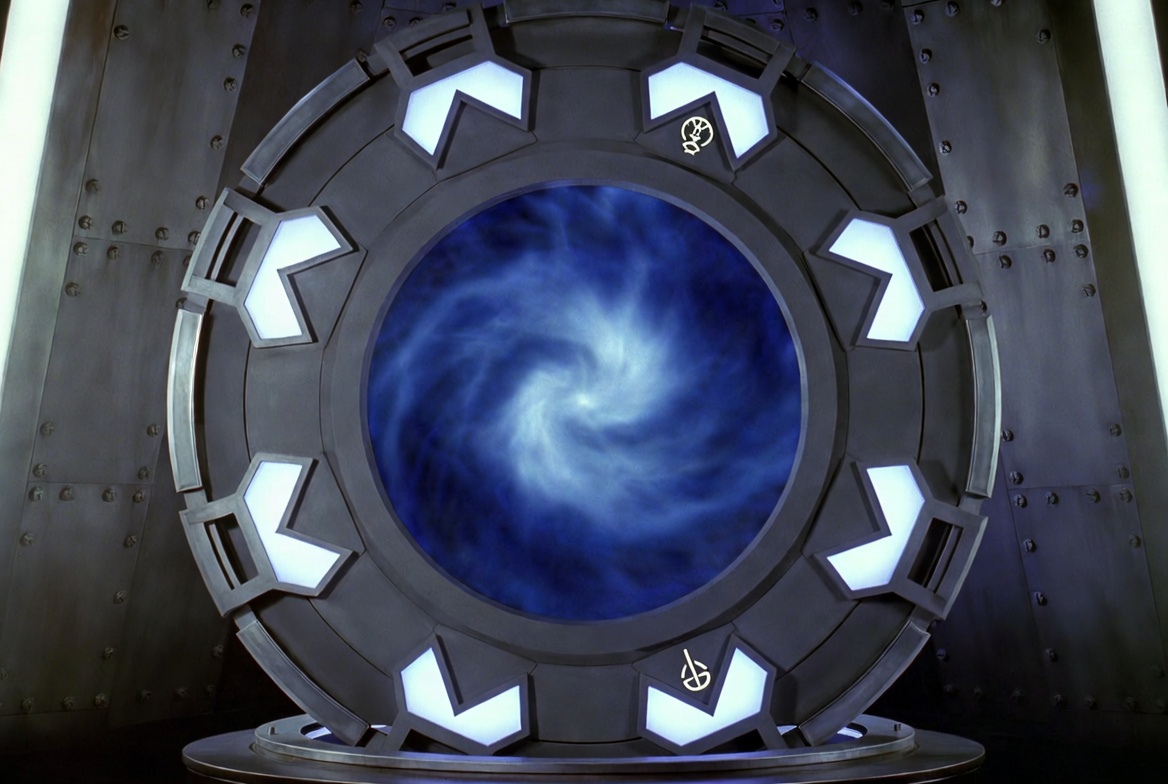
Mythology at the Heart of the Story
The Stargate film is based on an idea that could initially seem conspiratorial: the pyramids of Egypt were built by aliens. Yet it doesn’t just throw out the hypothesis — it explains it coherently and in detail, and it works surprisingly well. The series takes this principle and extends it to other terrestrial mythologies by making ancient gods (Egyptian, but also Norse, etc.) into the Goa’uld. One can only regret that it didn’t push the concept even further — I would have loved to see the Greek or Roman pantheon integrated into the universe!
A Real Narrative Thread
Beyond the “planet of the week” aspect, Stargate SG-1 offers a genuine narrative progression. A powerful through-line runs through the seasons, with long arcs, gradual revelations, and constant evolution of technologies and their uses. This gives the series a depth rarely found in space adventure shows.
Likable Characters
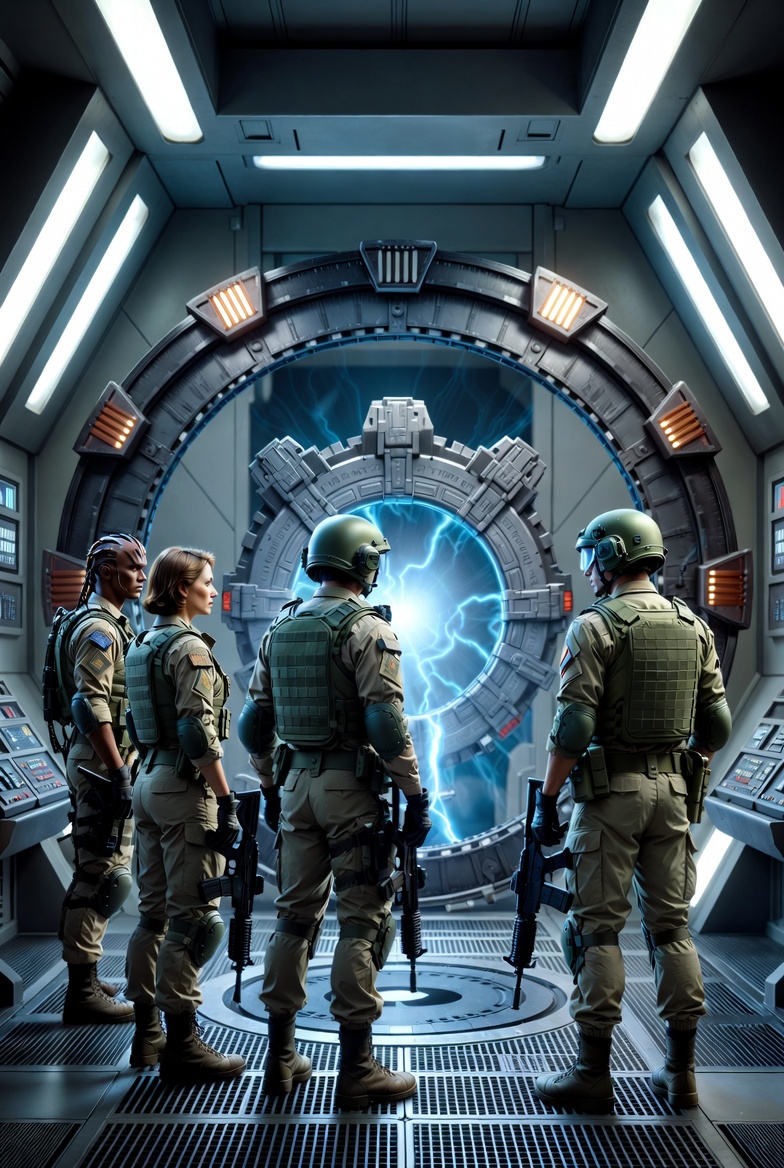
What also makes Stargate so strong are its characters. The series uses archetypes without ever falling into clichés:
Daniel Jackson, a doctor of Egyptology, is far from being a fragile intellectual — he doesn’t hesitate to take up arms while maintaining his deep conviction that peace and knowledge are the true foundations of a worthy civilization.
Samantha Carter, a brilliant astrophysicist and senior officer in the US Air Force, is a strong and competent woman without ever becoming a Mary Sue who solves everything.
Teal’c and Jack O’Neill embody strength and military experience, each with their own personality, flaws, and values.